
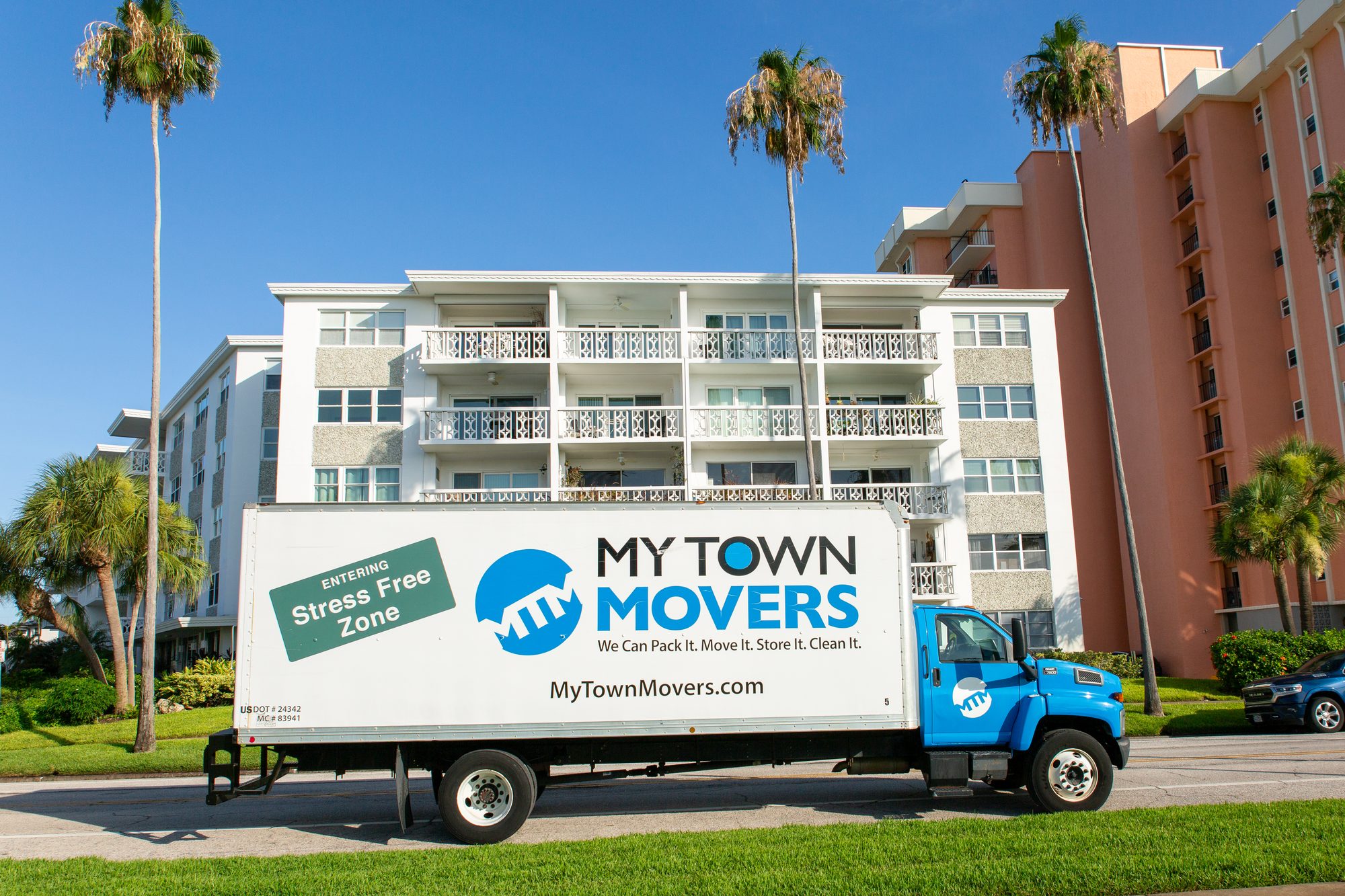
Snowbird season is here. From fall through spring, seasonal residents arrive in St. Petersburg, Clearwater, and the beaches, and condo buildings get busy. Elevators are booked, loading zones are full, and move-in windows fill up fast.
If you’re moving into or out of a condo in the next few months, a little planning goes a long way. This guide covers the building rules to sort out first, tips for seasonal residents and downsizers, and a simple checklist to keep your move on schedule.
Why snowbird season makes condo moves harder
More people are moving in and out of the same buildings at the same time. That creates a few predictable problems:
- Elevator reservations fill up. Many buildings allow only one move at a time on the freight elevator.
- Move windows are short. HOAs often limit moves to certain weekday hours, and those slots go first.
- Parking and loading zones are crowded. Seasonal guests, contractors, and other movers all compete for space near the entrance.
- Moving companies book up. Weekend and end-of-month dates are the first to go.
None of this is a reason to delay your move. It just means booking earlier and planning around your building.
Building rules to sort out before you book
Call your building manager or HOA before you pick a moving date. Ask about these at both your old and new building:
- Freight elevator. Does it need to be reserved? How far in advance? Is there a time limit or a deposit?
- Approved move days and hours. Many condos don’t allow moves on weekends, holidays, or after a certain time.
- Certificate of insurance (COI). Most condo buildings require your moving company to send proof of insurance before move day, often listing the association by name. Get the building’s exact COI requirements in writing and send them to your mover early.
- Loading zone. Where can the truck park? Is there a height limit for a parking garage?
- Floor and wall protection. Some buildings require padding in elevators and hallways.
- Move-in forms or fees. Some associations require paperwork or a deposit before you move in.
Our apartment and condo movers can coordinate the COI with your building directly, so you don’t have to chase it.
Tips for seasonal residents
Whether you’re arriving for the winter, heading north in the spring, or buying a place here for the first time, these help:
- Arriving from out of state? Schedule your local movers for the day after your belongings or furniture delivery arrive, not the same day. Delays happen, and it gives you a buffer.
- Splitting time between two homes? Make a list of what stays in Florida year-round and what travels with you. It saves you from moving the same things back and forth.
- Closing up a condo for the summer? If you’re moving items to storage or to family, plan it before hurricane season starts June 1.
- Buying furniture locally? We can pick up from local stores or a previous home and set it up in your new place.
- Not here yet? You don’t have to be. Ask your mover what they need from you to handle the building coordination ahead of time.
Downsizing into a condo or assisted living
Winter is a common time for families to help a parent move from a house into a condo, a 55+ community, or assisted living. These moves take more care than a typical move:
- Start with a floor plan. Measure the new space and decide which furniture fits before move day. It’s easier to let go of things in advance than on the day.
- Sort into keep, give to family, donate, and sell. Tackle one room at a time.
- Set up the essentials first. The bed, favorite chair, TV, and bathroom items should be ready the first night.
- Check the community’s move-in rules. Assisted living facilities often have set move-in times and paperwork.
Our senior and assisted living movers take the time these moves need, and we set up critical items on the first night so your loved one feels at home right away.
Snowbird season condo moving checklist
4 to 6 weeks before
- Call both buildings and get their move rules in writing
- Book your movers and send them the COI requirements
- Reserve the freight elevator and loading zone
- Measure the new unit and plan furniture placement
2 to 3 weeks before
- Declutter, donate, and sell what you won’t bring
- Get boxes and packing supplies
- Start packing rooms you use least
- Book packing help for fragile items if needed
The week of the move
- Confirm elevator and loading times with both buildings
- Confirm arrival time with your movers
- Pack a first-night bag with medications, documents, chargers, and toiletries
- Label boxes by room
Move day
- Be on site or have someone there to let the crew in
- Walk through both units before the crew leaves
Frequently asked questions
When is snowbird season in St. Petersburg?
Seasonal residents typically arrive in the fall and stay through spring, with the busiest stretch in the winter months.
How far ahead should I book movers during snowbird season?
Aim for 3 to 4 weeks, and earlier if you need a weekend or end-of-month date or your building has limited move windows.
What is a COI and why does my condo need one?
A certificate of insurance proves your moving company is insured. Condo associations require it to protect the building’s elevators, hallways, and common areas.
Can movers help if I’m not in Florida yet?
Yes. Talk to your mover about coordinating with your building ahead of time and who will be on site to let the crew in.
Book your condo move before the calendar fills
My Town Movers is a licensed and insured local moving company based in St. Petersburg. We move condos, apartments, and homes across St. Petersburg, St. Pete Beach, Clearwater, Gulfport, Seminole, Largo, Pinellas Park, and Tampa.
Request your free, no-obligation quote or call (813) 482-6683, Monday through Saturday, 8am to 5pm.


